China and Croatia Crowned Champions as ISF Football World Cup 2026 Concludes in Suzhou
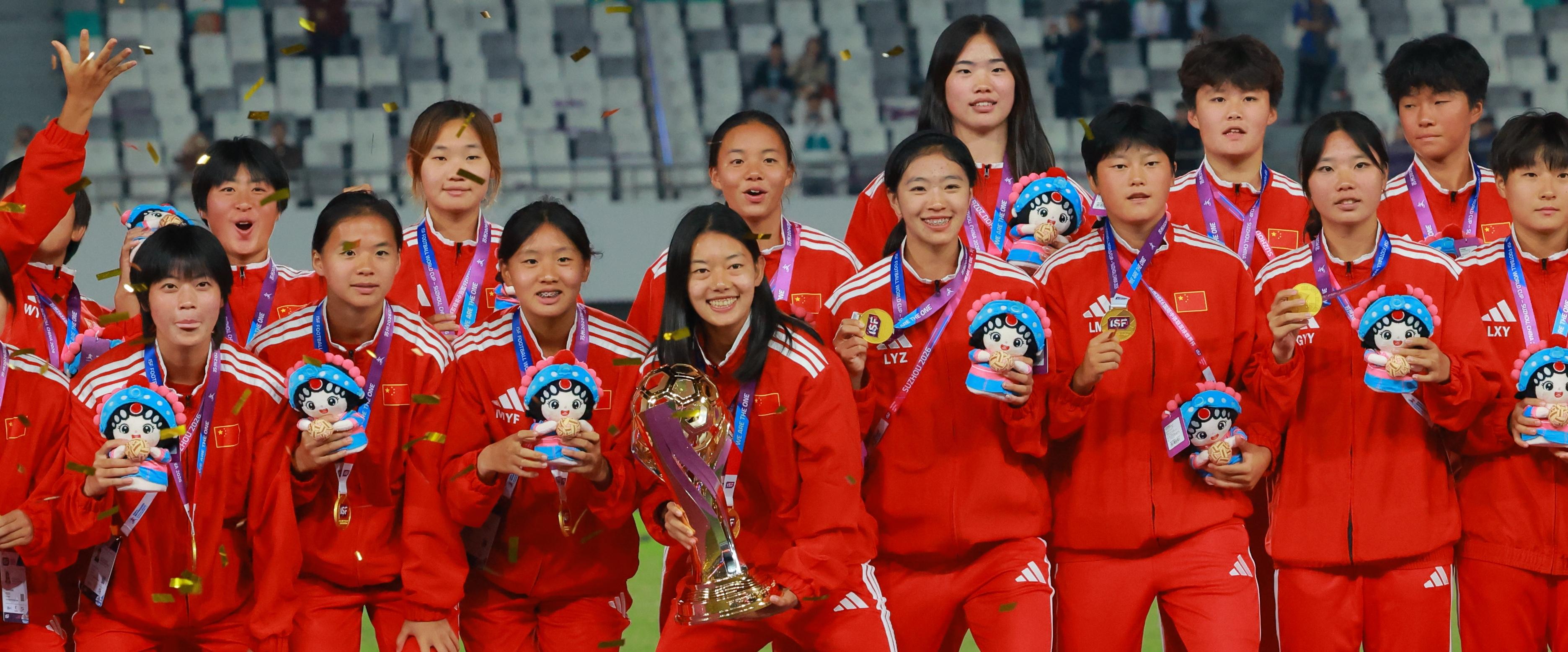
Oct. 25, Suzhou, P.R.China – The ISF Football World Cup 2026 concluded in Suzhou with China claiming the girls' title and Croatia winning the boys' competition after a dramatic penalty shootout against Guinea. Bringing together 51 teams from 31 delegations across four continents, the event combined international school football competition with educational activities, cultural exchange and opportunities for young people to build friendships beyond national borders.
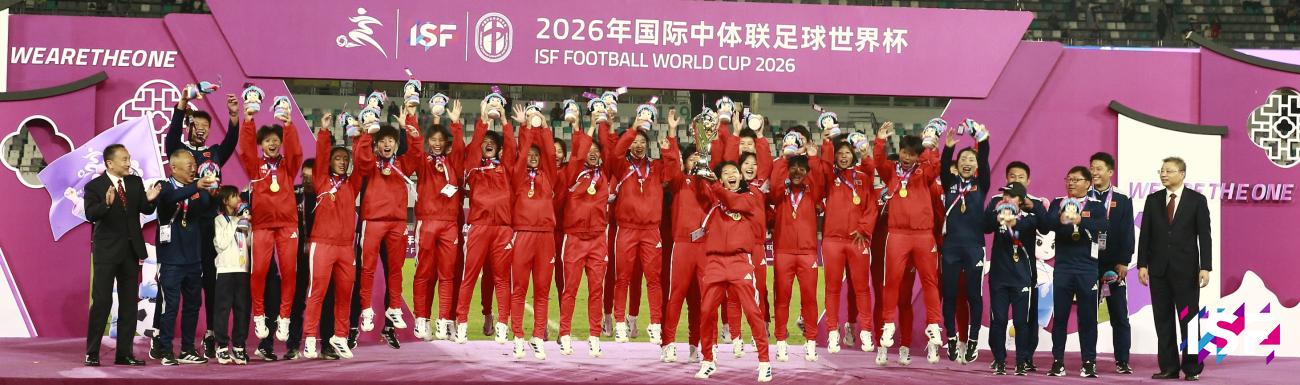
In the girls' final, China defeated Germany 5–1 to secure the title on home soil. Kenya claimed the bronze medal following a closely contested third-place match against Türkiye. With the score tied at 1–1 after regular time, Kenya prevailed 5–4 in the penalty shootout to finish third.
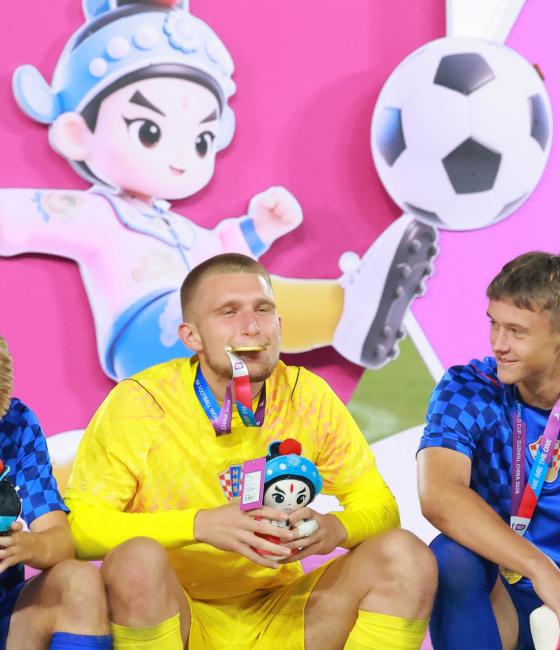
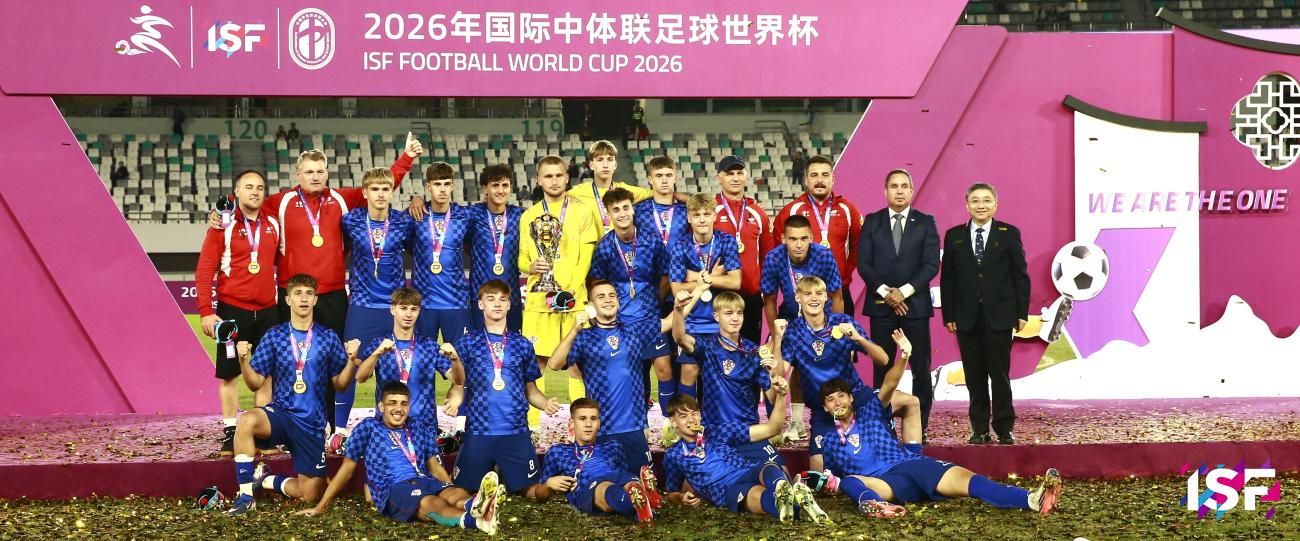
The boys' final between Croatia and Guinea provided one of the most dramatic moments. After a 1–1 draw in regular time, the title was decided by penalties. Croatian goalkeeper David Cigula produced an outstanding performance, saving three consecutive penalties from Guinea to help his team secure a 4–1 shootout victory and the boys' title.
In the boys' bronze-medal match, Germany defeated Türkiye 3–2 to complete the podium.
Alongside the competition, educational and cultural activities enriched the experience of participating school athletes.Together, these activities highlighted the educational role of international school sport in promoting cultural understanding, mutual respect, inclusion and the well-being of young people.
Through Cultural Day, delegations discovered Suzhou's historical heritage and modern development, while Nations Night provided opportunities for participants to share their national cultures, traditions and identities with fellow delegations.
Suzhou 2026 also introduced an important new dimension to athlete education through cooperation between ISF and United Against Online Abuse (UAOA), an initiative founded by the Fédération Internationale de l'Automobile (FIA).
Delivered as part of the ISF Academy, introductory workshops in five languages helped young athletes recognise online abuse, understand its potential impact and learn practical ways to protect themselves and seek support in digital environments.
This ISF World Cup also reached audiences beyond Suzhou through international broadcasting and digital media. The boys' final between Croatia and Guinea was broadcast live on Guinea's national television, bringing the decisive match to viewers on another continent and allowing audiences in Guinea to follow their young athletes competing for the world school football title.
On social media, an ISF Instagram video highlighting the different native languages spoken by participating school athletes attracted more than 2 million views, demonstrating the international diversity of ISF events and the appeal of authentic exchanges between young participants. These moments extended the visibility of the event beyond competition results, connecting international audiences with the athletes and their experiences.
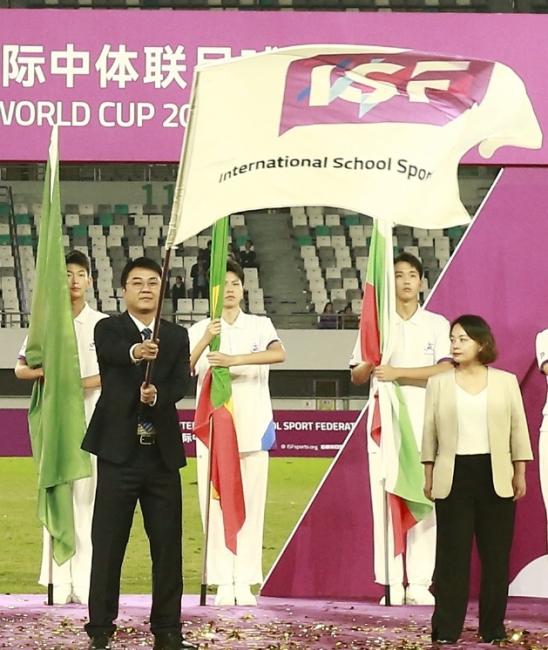
The closing ceremony also marked the beginning of the next chapter of the ISF Football World Cup.
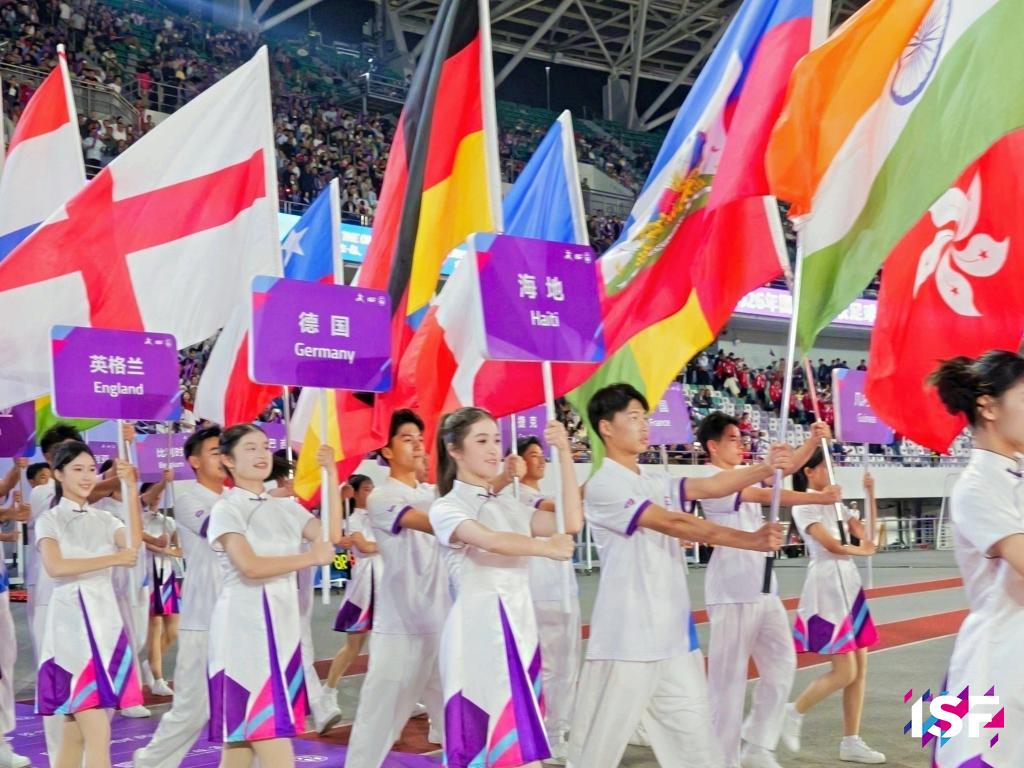
Wang Enze, Member of the Leading Party Members Group of the Haikou Municipal People's Government, and Sun Jing, Deputy County Magistrate of Qiongzhong Li and Miao Autonomous County, both in China's Hainan Province, jointly received the ISF flag during the ceremony, symbolising the handover to the next edition in 2028.
As Suzhou 2026 came to a close, the symbolic handover marked the beginning of the journey towards ISF Football World Cup 2028, carrying forward the spirit of international school sport, cultural exchange and friendship among young people.
The successful delivery of Suzhou 2026 was supported by extensive coordination among the Suzhou Local Organising Committee, government departments and local partners. Led by the Suzhou Municipal Education Bureau, a dedicated event command centre brought together representatives of relevant government departments to coordinate operations and respond to organisational needs throughout the event.
A specially developed Event Management System (EMS) supported this coordinated approach, enabling organisers to monitor the progress and completion of operational tasks through large displays at the command centre, staff computers and mobile devices.
More than 660 local youth volunteers also contributed to the delivery of the event, supporting participating delegations and serving as an important point of contact between international visitors and the host city. Their involvement not only supported daily operations but also created opportunities for young people in Suzhou to engage directly with peers and visitors from around the world.